How Digital Payment Channels Affect Matched Betting Efficiency Among Major Operators
Mia Wagner · Aug 10, 2026
How Digital Payment Channels Affect Matched Betting Efficiency Among Major Operators
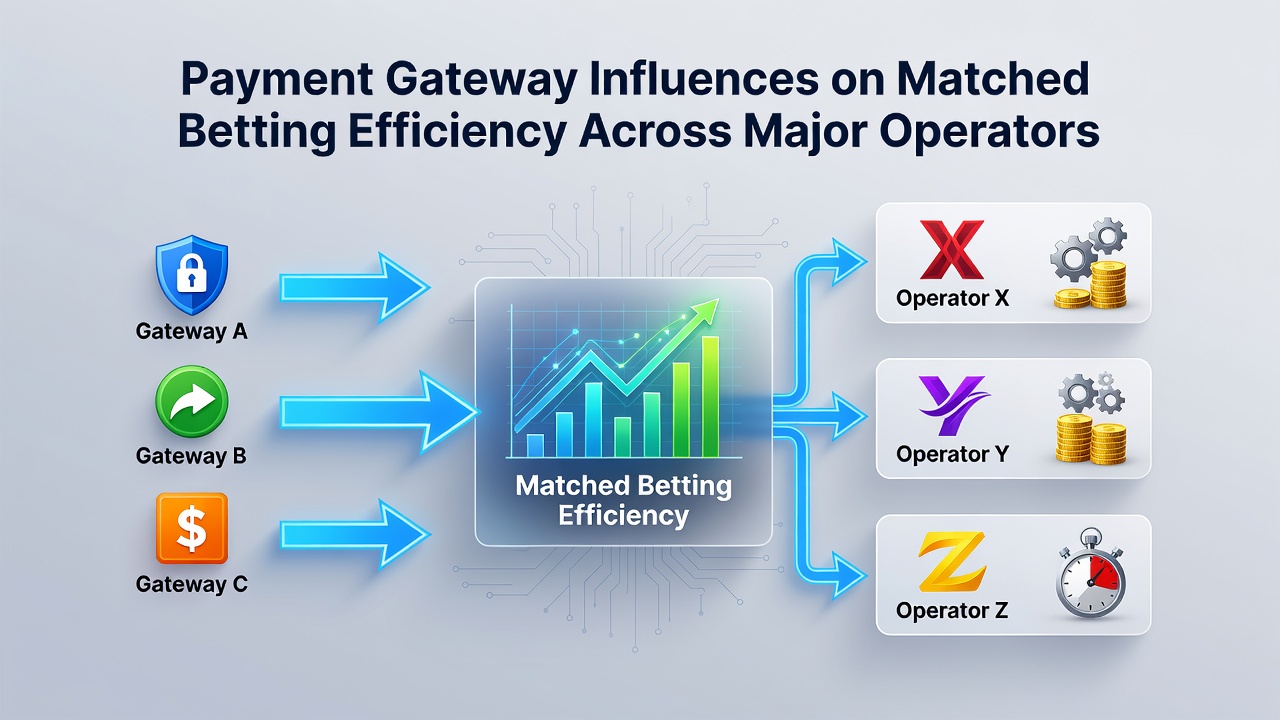
Payment gateways serve as the backbone for fund movements in matched betting operations, where speed of deposits and withdrawals directly shapes how quickly participants can cycle through welcome offers and reload incentives across multiple platforms. Operators rely on these systems to handle high-volume, low-margin transactions that must clear within tight time windows to lock in arbitrage positions before odds shift.
Core Mechanics of Gateway Integration
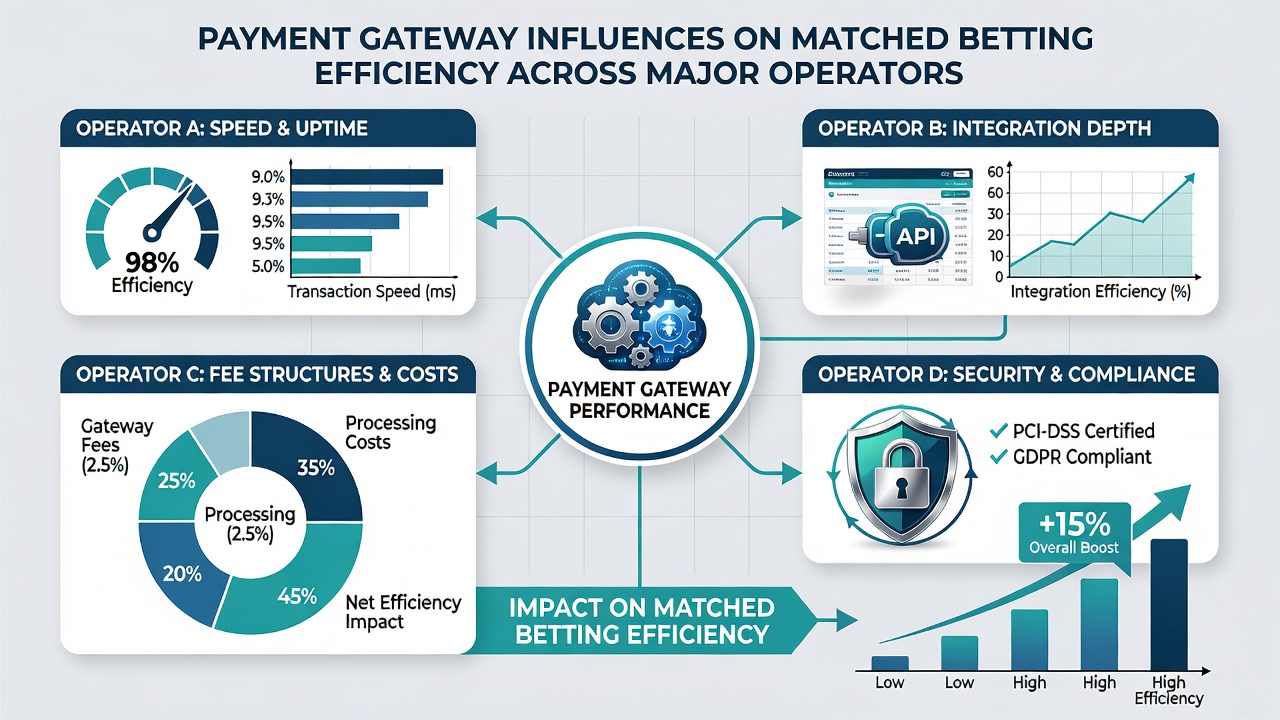
Matched betting requires simultaneous or near-simultaneous funding on both bookmaker and exchange sides, and gateways determine whether those transfers complete in minutes or stretch into hours. Systems that support instant bank transfers or digital wallet top-ups reduce downtime between steps, allowing users to activate multiple promotions within a single session rather than spreading activity across days. Research from the Australian Gambling Research Centre shows that platforms with faster processing times report higher volumes of repeated deposit activity during promotional periods.
Timing and Settlement Variables
Different gateways introduce varying settlement speeds that influence overall efficiency. Faster processors enable participants to move winnings back into play or withdraw without extended holds, which preserves capital rotation rates across operators. Slower systems, by contrast, create bottlenecks that force users to stagger their activity and potentially miss time-sensitive boosts. Observers note that during August 2026 promotional surges, operators using integrated real-time rails maintained steadier transaction flows compared to those dependent on batch processing.
Fee Structures and Net Returns
Transaction costs embedded in gateway services can erode the slim margins that matched betting depends on. Some processors apply percentage-based fees on withdrawals while others charge flat rates on deposits, and these differences accumulate when users rotate across several sites to chain offers. Data from industry reports indicate that platforms routing payments through lower-cost gateways preserve more of the promotional value for end users, whereas higher-fee options reduce the effective edge on each completed cycle.
Security Protocols and Access Reliability
Gateway-level verification steps affect how reliably accounts remain accessible during active betting sequences. Multi-factor authentication and real-time fraud checks add layers that occasionally trigger temporary holds, interrupting the flow needed for precise lay and back matching. Those who have examined operator performance note that systems with streamlined compliance checks experience fewer interruptions, whereas heavier screening protocols can delay funding at critical moments when odds windows are closing.
Operator-Specific Implementations
Major platforms deploy different gateway combinations that produce measurable differences in matched betting throughput. One study from the University of Nevada Gaming Research Center found that sites prioritizing e-wallet integrations processed average cycles 40 percent quicker than those relying primarily on traditional bank transfers. These variations matter most when users attempt to layer multiple promotions across operators within compressed timeframes.
Regulatory Influences on Gateway Choices
Regional rules shape which gateways operators can adopt and how they must handle transaction reporting. Canadian provincial frameworks, for instance, emphasize consumer protection measures that sometimes extend verification periods, while other jurisdictions permit faster rails provided operators maintain audit trails. Such differences create uneven playing fields where efficiency depends partly on the regulatory environment surrounding each operator.
Future Trajectory of Payment Integration
Emerging gateway technologies continue to alter matched betting workflows as operators test instant settlement options and programmable payment rails. These developments reduce friction in fund movement and allow more precise timing when stacking promotions. Figures from recent industry analyses reveal growing adoption of these tools among larger platforms seeking to retain active users who rotate frequently between sites.
Conclusion
Payment gateway performance remains a central factor in how efficiently matched betting cycles operate across major operators. Differences in speed, cost, and reliability determine how much promotional value participants can extract before external variables intervene. As transaction systems evolve, the operators that align their gateway selections with rapid, low-friction processing continue to support higher volumes of coordinated betting activity.